



Table of Contents
Introduction
The names Tiger Woods and Bill Ackman represent two very different paths to extraordinary success. Woods became one of the most recognizable athletes in the world through his achievements in professional golf, while Ackman built his reputation as an influential investor and the founder of Pershing Square Capital Management. One made history by winning major championships; the other became known for analyzing companies, making substantial investment decisions, and challenging corporate leadership. Despite their different professions, both have attracted worldwide attention for their ambition, competitive mindsets, financial achievements, and ability to influence industries far beyond their original careers.
Their names can also appear together in discussions about business, celebrity influence, and the financial power of major brands. One potential point of connection is Nike, which sponsored Woods for decades and has also been an investment target for Ackman’s firm. However, it is important to distinguish an indirect connection through a company from a confirmed personal relationship or business partnership. Publicly available information does not establish that Woods and Ackman are close friends or direct business partners.
Understanding Tiger Woods and Bill Ackman means looking beyond their wealth and public profiles. Their stories illustrate how expertise, calculated risks, public reputation, and long-term strategy can create influence in very different fields. This article explores their backgrounds, career milestones, financial success, business activities, and the meaningful lessons their experiences offer readers.
Who Are Tiger Woods and Bill Ackman?
Tiger Woods and His Journey in Professional Golf
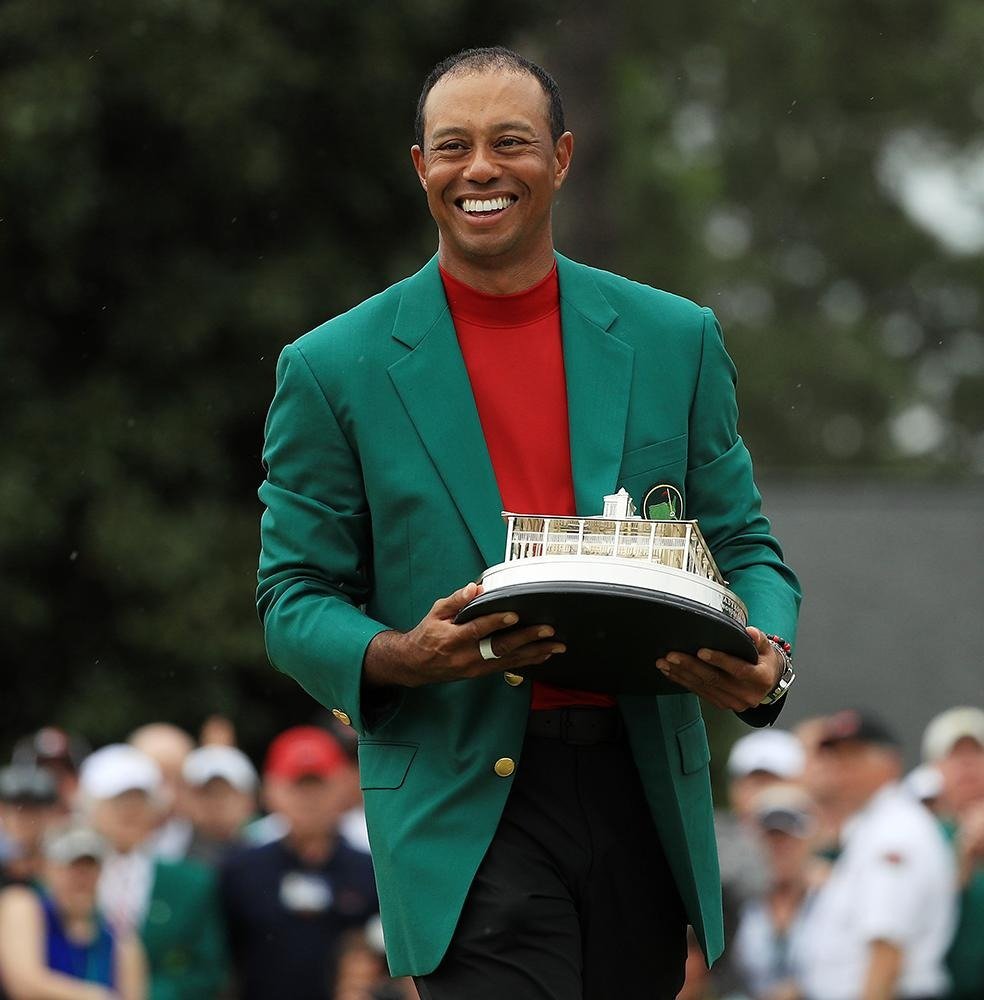
Tiger Woods
Eldrick “Tiger” Woods was born on December 30, 1975, in Cypress, California. He turned professional in 1996 and rapidly established himself as one of golf’s most successful competitors. His official biography records 82 PGA Tour victories and 15 major championship titles, achievements that place him among the most accomplished golfers in history.
Woods became famous not only for his tournament victories but also for the intensity of his preparation and his ability to perform under pressure. His victory at the 1997 Masters, where he won by 12 strokes at age 21, announced the arrival of a remarkable sporting talent. His subsequent achievements helped expand golf’s global audience and made him a major commercial figure for sponsors, broadcasters, and tournament organizers.
His influence has extended beyond the golf course. Through TGR, Woods oversees a group of business and charitable initiatives, including golf course design, event production, and educational programs. His career demonstrates how exceptional performance in one discipline can create opportunities in entrepreneurship and philanthropy.
Bill Ackman and His Rise in Investment Management

Bill Ackman
William Albert Ackman is an American investor and the founder and chief executive of Pershing Square Capital Management. According to the firm’s official biography, he established the investment firm in 2003 after previously co-founding and managing Gotham Partners. He holds a bachelor’s degree from Harvard College and an MBA from Harvard Business School.
Ackman is associated with an investment approach known as activist investing. Rather than simply buying shares and waiting for their value to rise, activist investors may push companies to change their strategies, governance, management, or capital allocation. Their objective is generally to improve shareholder value, although their proposals can generate disagreements with executives, employees, and other investors.
Over the years, Ackman has become a prominent public figure because of his high-profile investment decisions and outspoken commentary. His career has included major successes as well as painful setbacks, demonstrating that even experienced investors can misjudge businesses or encounter unexpected market conditions. His story is therefore not simply about accumulating wealth; it is also about risk management, conviction, and adapting when an investment thesis fails.
Early Life and Education
Woods’s Early Training and Golf Development
Tiger Woods began learning golf during early childhood, encouraged by his father, Earl Woods. His interest in the sport developed into a serious competitive pursuit while he was still young. He appeared on television as a toddler, participated in junior competitions, and built a reputation as a gifted golfer long before entering professional competition. His upbringing combined natural ability with repeated practice, competitive experience, and ambitious expectations.
Woods also attended Stanford University, where he competed in college golf and won 10 collegiate events before turning professional. His education gave him experience beyond tournament play, while his collegiate success helped prepare him for the transition to professional golf. By the time he entered the professional ranks in 1996, he had already developed the technical skills and competitive confidence needed to challenge established players.
His early story highlights the importance of consistent development. Natural talent can open a door, but the ability to improve technique, manage pressure, and learn from competitors helps determine how far an athlete progresses. Woods’s rapid rise reflected years of preparation rather than a sudden stroke of luck.
Ackman’s Education and Business Foundations
Bill Ackman’s path developed through education, entrepreneurship, and financial analysis rather than athletic competition. He studied at Harvard College and later earned an MBA from Harvard Business School. These experiences provided a foundation in business, finance, and organizational decision-making, although his later investment performance depended on much more than academic qualifications alone.
After entering the investment industry, Ackman helped build Gotham Partners, an investment management business that operated before he founded Pershing Square. Working with public and private investments gave him experience evaluating companies, understanding financial statements, and assessing management decisions. In 2003, he launched Pershing Square Capital Management, developing a platform for concentrated investments and shareholder activism.
The contrast between Woods and Ackman is especially interesting here. Woods spent his formative years developing physical technique and competitive instincts, whereas Ackman developed the analytical skills needed to assess businesses and financial risk. Both paths demanded focus and persistence, but each required a different definition of expertise.
Career Achievements and Major Milestones
The careers of Woods and Ackman are difficult to compare using one common measure because their professional achievements are fundamentally different. Woods’s results can be measured through championships, tournament victories, and sporting records. Ackman’s performance is assessed through investment returns, business influence, and the results of the funds and companies with which he is involved.
| Career measure | Tiger Woods | Bill Ackman |
| Primary profession | Professional golfer and entrepreneur | Investor and hedge fund manager |
| Major career milestone | 15 major championship victories | Founded Pershing Square in 2003 |
| Recognized achievement | 82 PGA Tour victories | Built an influential activist investment firm |
| Core expertise | Golf technique, competition, and performance | Financial analysis, company valuation, and capital allocation |
| Work beyond core profession | Golf course design, events, and education initiatives | Corporate governance, investment ventures, and philanthropy |
Woods’s record of 15 major championships includes five Masters titles, four PGA Championships, three U.S. Open victories, and three Open Championship victories. His 82 PGA Tour wins tie him with Sam Snead for the tour’s all-time record. These figures help explain why Woods is regularly discussed alongside the greatest players in golf history.
Ackman’s milestones are less straightforward to summarize because investments rise and fall in value, and results depend on the period being measured. His career has included prominent positions in publicly traded companies, controversial investment campaigns, and periods of significant losses. His ability to remain an important figure in finance has depended on continued investor interest, strategic decisions, and the development of Pershing Square as a long-term business.
Neither man’s career can be understood through headline achievements alone. Woods’s record reflects performance over many seasons, while Ackman’s reputation has been shaped by both investment outcomes and his willingness to take public positions on company strategy. Their professional stories show two different ways of turning specialized expertise into lasting influence.
How Tiger Woods Changed Professional Golf
Tiger Woods arrived in professional golf at a time when the sport was already established, but his combination of power, precision, competitive intensity, and media appeal helped attract broader attention. His early professional success changed expectations about what a young golfer could accomplish against experienced champions. The scale of his victories, particularly during his dominant period around 2000, made his performances major sporting events rather than simply another set of tournament results.
His influence also extended to golf’s commercial environment. Sponsors gained access to a globally recognizable athlete, while broadcasters and tournament organizers benefited from the public interest surrounding his appearances. Woods helped demonstrate that a golfer could become a worldwide sports celebrity with commercial influence comparable to athletes in more widely followed sports. This did not mean that he alone transformed golf, but his presence was an important factor in the sport’s modern commercial development.
Another important aspect of his legacy is his work away from competition. The TGR organization includes golf course design through TGR Design, event production through TGR Live, and educational work through the TGR Foundation. The foundation was established in 1996 and focuses on expanding educational opportunities for young people.
Woods’s career also illustrates how difficult it can be to maintain elite performance over decades. Injuries and physical limitations have affected his ability to compete regularly, while public scrutiny has followed both his achievements and personal setbacks. His continued significance reflects the depth of his earlier accomplishments, although his present competitive form should not be assumed to match his peak years.
How Bill Ackman Built His Investment Career
Bill Ackman’s career developed around identifying businesses that he believes are undervalued, misunderstood, or capable of improving their performance. Through Pershing Square, he has pursued investments that can involve concentrated ownership and engagement with company leadership. This strategy can create substantial opportunities if his analysis is correct, but it can also expose investors to significant losses when a company’s prospects deteriorate or market expectations change.
Activist investing requires more than deciding whether a stock looks inexpensive. Investors must evaluate a company’s finances, competitive position, leadership, market conditions, and possible paths to better performance. They may also need to persuade other shareholders that a proposed strategy will create value. As a result, activist campaigns often become public debates about how a business should operate and who is best positioned to make its decisions.
Ackman’s career has included both celebrated victories and difficult periods. His investments in companies such as Chipotle and his high-profile campaigns involving other businesses have attracted significant attention. His substantial losses in certain investments, including Valeant Pharmaceuticals, also demonstrate how concentrated strategies can magnify mistakes. Reporting in 2026 has continued to describe his recovery from a difficult period as an important part of his professional story.
What distinguishes Ackman is not that he always predicts outcomes correctly, but that he has built a recognizable investment platform around a particular approach. His work highlights the value of independent research and the importance of questioning conventional market assumptions. At the same time, his experience reminds investors that confidence is not a substitute for evidence, diversification, or disciplined risk management.
The Nike Connection Between Tiger Woods and Bill Ackman
One of the most relevant reasons people may search for Tiger Woods and Bill Ackman together is Nike. Woods had a long-running relationship with the sportswear company, while Ackman’s investment firm has invested in Nike shares. This creates an indirect connection through a major global brand, rather than evidence that the two men have worked together personally.
Nike signed Woods early in his professional career, and the partnership became one of the most recognizable athlete-brand relationships in sports. Woods wore Nike apparel for decades and became closely associated with the company’s golf marketing. In January 2024, Nike and Woods announced that their partnership was ending after more than 27 years. Woods subsequently launched his Sun Day Red apparel brand in partnership with TaylorMade.
Ackman’s connection to Nike comes from the investment world. Pershing Square has disclosed and discussed investments in major consumer-facing businesses, and Nike became one of the firm’s notable investment interests. Financial commentary surrounding Ackman’s Nike position has brought the company into conversations about its business strategy, brand strength, and ability to compete in a changing athletic-apparel market.
Why is this distinction important? A famous athlete can help a brand attract customers, while an activist investor can seek changes intended to improve the company’s financial performance. Both can influence public discussion about the same business, but their roles are different. Woods’s relationship with Nike centered on sports, marketing, and brand representation; Ackman’s relationship centered on investment and shareholder value.
There is no reliable public evidence establishing that Woods personally directed Ackman’s investment decisions, that the two men jointly negotiated a Nike deal, or that they maintain a confirmed business partnership. Any article claiming such a relationship should provide specific, verifiable evidence rather than relying on the fact that both names are associated with Nike.
Comparing Their Wealth and Financial Success
Tiger Woods and Bill Ackman are both among the prominent wealthy figures associated with sports and finance, but their wealth comes from different sources. Woods built his fortune through golf earnings, endorsement agreements, commercial partnerships, and business ventures. Ackman’s wealth is tied more closely to investment management, ownership interests, and the financial performance of businesses and investment vehicles.
Woods’s commercial success is particularly notable because golf provides several income opportunities beyond prize money. A successful player can earn money from tournament results, sponsorship contracts, licensed products, appearances, and related businesses. Woods has also developed ventures under the TGR name, giving him ways to participate in commercial activities beyond his own playing career.
Ackman’s financial position, by contrast, depends heavily on investment performance and the value of his business interests. A hedge fund founder can earn management fees and performance-related compensation, while also holding personal investments. However, the value of those holdings can fluctuate, and public estimates of an individual’s net worth are not the same as verified cash holdings or a complete personal financial statement.
| Financial factor | Tiger Woods | Bill Ackman |
| Main wealth drivers | Golf, endorsements, business ventures | Investment management and investment holdings |
| Commercial advantage | Global sporting recognition | Financial expertise and access to investment opportunities |
| Major risk | Injury, changing sponsorship markets, business performance | Market volatility, concentrated positions, investment losses |
| Income characteristics | Competition-related earnings and commercial agreements | Investment returns and business-related compensation |
| Long-term opportunity | Brand development and golf-related ventures | Investment growth and expansion of financial businesses |
Exact wealth comparisons should be treated carefully. Estimates differ according to their methodology, publication date, and the assets and liabilities included. A reliable comparison should use figures published for the same period and clearly identify whether they are estimates. Neither a person’s celebrity status nor the size of a fund automatically reveals their personal net worth.
The larger lesson is that wealth can be created through different economic models. Woods monetized extraordinary sporting ability and a globally recognized personal brand. Ackman built a financial business that seeks to generate value by investing capital and influencing corporate strategy. Both approaches can produce substantial rewards, but neither guarantees permanent financial success.
Leadership, Discipline, and Decision-Making
Although Woods and Ackman work in different fields, both careers highlight the importance of making decisions under pressure. A professional golfer must assess distance, wind, course conditions, and the consequences of a risky shot. An investor must consider company valuations, competitive threats, economic conditions, and the possibility that an apparently attractive investment may lose value. In each case, a decision that looks reasonable in one situation can become a mistake when circumstances change.
Woods’s approach to golf has long emphasized repetition, technical refinement, and preparation. Tournament results depend on execution over many rounds, not just one spectacular shot. Golfers must also control their emotions after a poor decision because frustration can affect the next shot. The ability to recover from mistakes is therefore a practical part of high-level performance.
Ackman’s work requires a different type of discipline. Investors need to test assumptions, study financial information, and distinguish evidence from optimism. A persuasive investment thesis should explain not only why an opportunity looks attractive but also what could go wrong. Ackman’s public investment history shows why it is essential to remain aware of uncertainty, even when a strategy is supported by extensive research.
Their experiences also reveal a limitation of the idea that success comes entirely from personal determination. Talent and hard work matter, but so do access to resources, professional support, timing, competition, and luck. Woods benefited from years of coaching and structured competition, while Ackman operates in a financial system where capital, research, and institutional relationships matter. Their stories are more useful when understood as combinations of individual effort and wider circumstances.
Public Image, Media Attention, and Personal Challenges
Public attention has been a defining feature of both careers. Woods became a household name through extraordinary sporting performances, but that visibility also brought intense scrutiny of his personal life. His public image has changed over time as audiences have responded to his championships, injuries, controversies, and attempts to return to competition.
His physical challenges have been especially significant. A severe leg injury in a 2021 car accident and multiple back procedures limited his ability to play consistently. In September 2026, Reuters reported that Woods had been seen practicing at Liberty National Golf Club, prompting speculation about a possible return. The report also made clear that he had not committed to returning to competitive golf.
Ackman has experienced a different form of public scrutiny. Investment decisions can attract criticism from shareholders, executives, analysts, and the public, particularly when they involve large losses or contentious campaigns. In recent years, his public commentary on political and social issues has also increased his visibility outside traditional financial circles. Fortune profiled his investment views and public positions in August 2026.
The two examples show that public recognition can be both an advantage and a burden. Media attention can strengthen a personal brand, create business opportunities, and amplify a person’s ideas. It can also make mistakes more visible and encourage audiences to reduce a complex career to a single controversy. A balanced assessment considers the full record rather than relying exclusively on either praise or criticism.
Business Ventures and Influence Beyond Their Main Careers
Woods and Ackman have both developed influence outside their original professional activities. For Woods, the transition from athlete to entrepreneur has included golf course design, events, hospitality, and education. His TGR organization brings together commercial and philanthropic initiatives under one broader identity. The aim is to extend his experience and reputation into projects that can continue to operate even when he is not competing regularly.
The TGR Foundation is an important part of that wider work. It focuses on educational access and opportunities for young people, including learning programs associated with science, technology, engineering, and mathematics. In January 2026, Reuters reported that the foundation had raised more than $50 million during the preceding year for education initiatives and received a $20 million pledge from the Arthur M. Blank Family Foundation for a planned learning lab in Atlanta.
Ackman’s work beyond investing includes philanthropy and corporate leadership. He founded the Pershing Square Foundation in 2006 and has supported charitable initiatives. He has also held leadership positions connected to other business organizations, including Howard Hughes Holdings, where he became executive chairman in 2025.
Their approaches to influence beyond their core professions reflect different priorities. Woods has used his sporting profile to develop businesses and educational programs linked to golf and youth opportunity. Ackman has used his financial expertise and resources to support investments, corporate initiatives, and philanthropy. Both illustrate that a professional reputation can become a platform for wider activity, although the impact of individual projects must be evaluated on their own evidence and outcomes.
What Makes Their Stories Different?
The most obvious difference between Woods and Ackman is the way their work is judged. Woods competes in a sport where performance is visible and results are recorded on a leaderboard. Ackman works in financial markets where outcomes may take years to develop and depend on many external factors. A golfer can win a tournament on a specific weekend, whereas an investor’s thesis may remain uncertain for a long period.
Their forms of risk also differ. Woods risks injury, declining performance, and the consequences of decisions made during competition. Ackman risks losing capital, misreading a company’s prospects, or facing resistance to a proposed corporate strategy. Neither profession offers complete control over outcomes, and both require the ability to respond when reality does not match expectations.
Another difference is how their influence spreads. Woods can affect a sport through performance, sponsorships, participation, and the public excitement surrounding a tournament. Ackman can affect companies and markets through investment decisions, shareholder campaigns, and public arguments about business strategy. One operates most visibly through athletic achievement; the other through financial ownership and corporate influence.
Yet there is a shared thread: each built a career around a specialized skill and worked to turn that skill into broader influence. Woods moved from competition into business and philanthropy, while Ackman developed from an investor into a prominent business leader and public commentator. Their paths demonstrate that professional success can take many forms, and that the same principles do not always produce the same results in different industries.
Lessons Readers Can Learn From Tiger Woods and Bill Ackman
The stories of Woods and Ackman offer several practical lessons for anyone trying to develop a career, business, or personal project. These lessons do not require copying their exact decisions. Instead, they encourage a closer look at the habits and principles that help people improve while recognizing the limits of any individual’s control over events.
First, develop genuine expertise. Woods spent years refining his game, while Ackman built a career around understanding businesses and evaluating investments. Their achievements show the importance of learning the details of a field rather than relying only on ambition or confidence. Expertise grows through study, repeated practice, feedback, and the willingness to recognize what remains unknown.
Second, think beyond immediate results. A single golf round does not define an entire career, just as one investment does not determine the long-term value of an investment firm. Short-term outcomes can be affected by weather, luck, market sentiment, or unexpected events. Building a sustainable career requires decisions that make sense over time, not merely choices that produce quick rewards.
Third, treat risk seriously. Woods cannot eliminate the physical demands of professional sport, and Ackman cannot remove uncertainty from financial markets. Both professions require weighing potential benefits against possible losses. For ordinary readers, that means setting realistic goals, avoiding decisions that depend on everything going perfectly, and maintaining room to recover from setbacks.
Fourth, protect your reputation without assuming it will protect you. A strong professional reputation can create opportunities, but public trust can change when decisions disappoint people or expectations are not met. Woods and Ackman have both experienced the challenges of being highly visible figures. Consistent conduct, honest communication, and a willingness to learn from mistakes can help preserve credibility over the long term.
Finally, consider what success can accomplish beyond personal achievement. Woods’s education initiatives and Ackman’s philanthropic activities show that prominent careers can support projects intended to benefit other people. The effectiveness of those efforts depends on implementation, accountability, and measurable outcomes, but the broader principle remains valuable: professional skills and resources can sometimes be used to create benefits beyond the individual who earned them.
Conclusion
Tiger Woods and Bill Ackman are influential figures whose careers demonstrate two distinct paths to success. Woods built his legacy through exceptional golf performances, major championship victories, commercial partnerships, and ventures that extend into education and golf course design. Ackman established himself in investment management through Pershing Square, shareholder activism, and high-profile financial decisions. Their professional achievements differ, but both stories highlight the importance of expertise, strategic thinking, resilience, and the ability to adapt.
The Nike connection offers a useful explanation for why their names may appear together in online searches. Woods was a longtime Nike athlete, while Ackman’s investment firm has been associated with the company’s shares. However, this indirect corporate connection should not be mistaken for a confirmed personal relationship or joint business venture.
Ultimately, the comparison is most valuable when it focuses on their individual achievements rather than suggesting a partnership that has not been established. Woods represents excellence in professional sport and the commercial opportunities that can follow it. Ackman represents a high-profile approach to investment management and corporate influence. Both careers offer lessons about ambition, risk, reputation, and the long-term work required to build something meaningful.
Frequently Asked Questions (FAQs)
1. Who are Tiger Woods and Bill Ackman?
Tiger Woods is an American professional golfer known for winning 15 major championships and 82 PGA Tour events. Bill Ackman is an American investor who founded Pershing Square Capital Management and is known for activist investing and corporate strategy.
2. Are Tiger Woods and Bill Ackman business partners?
There is no publicly documented evidence establishing a direct business partnership between Woods and Ackman. Their names are linked indirectly through Nike, with Woods having been a longtime sponsored athlete and Ackman’s firm having invested in the company.
3. What is the connection between Tiger Woods and Nike?
Woods had a long-standing sponsorship relationship with Nike that lasted more than 27 years. Their partnership ended in January 2024, after which Woods announced a new apparel brand, Sun Day Red, in partnership with TaylorMade.
4. Who is wealthier, Tiger Woods or Bill Ackman?
The answer depends on the date and source of the estimates being compared. Woods built his wealth through golf earnings, endorsements, and businesses, while Ackman’s wealth is associated with investments and financial businesses. Net-worth estimates fluctuate and should be compared using figures from the same period.
5. What can people learn from Tiger Woods and Bill Ackman?
Their careers highlight the value of developing specialized skills, preparing carefully, evaluating risks, and learning from setbacks. They also demonstrate that long-term success requires adapting to changing circumstances rather than relying solely on past achievements and more.
